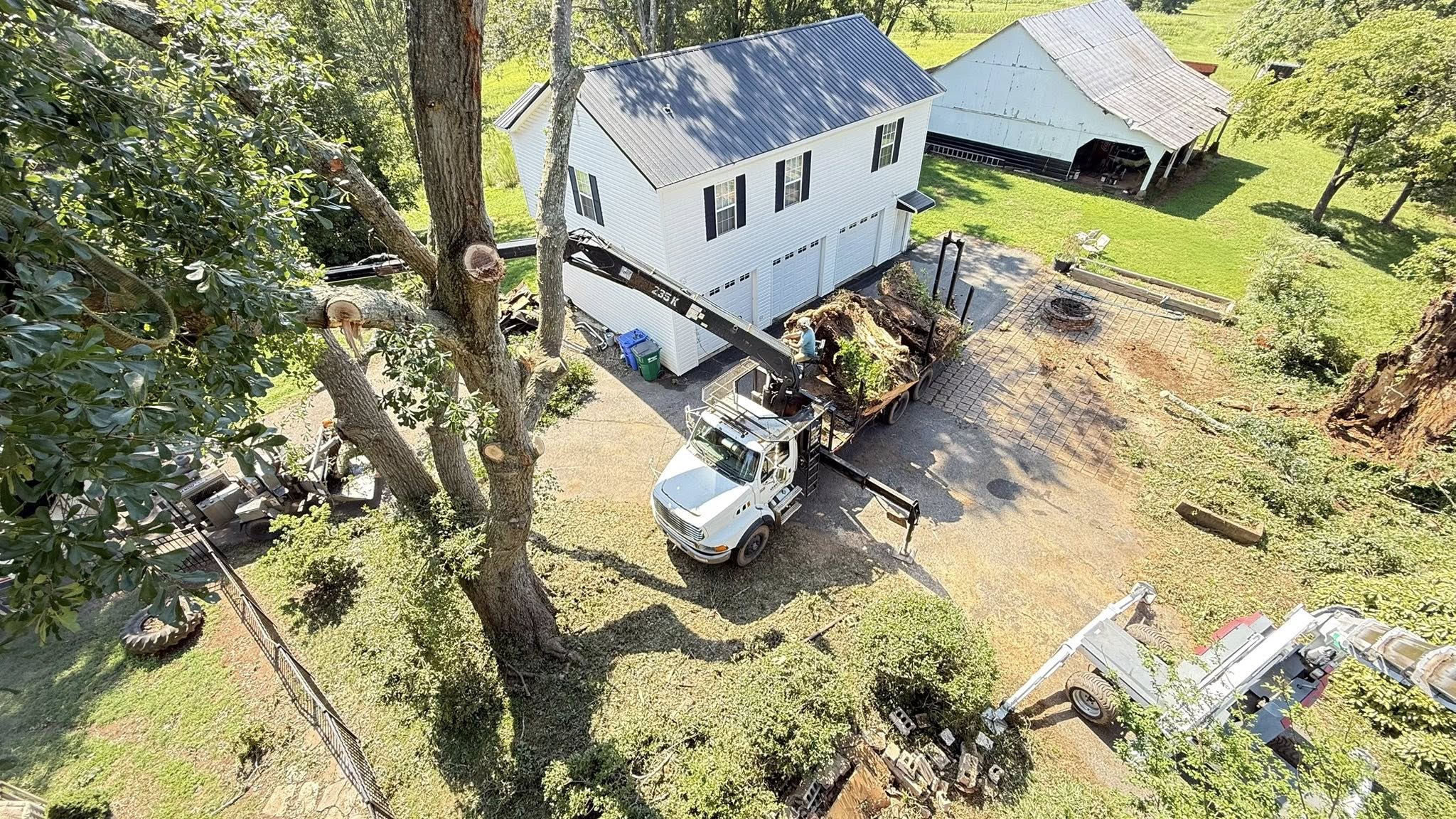
Creating a Wildlife-Friendly Landscape: Integrating Trees into Your Ecosystem Feb 22, 2026
The journey begins with the right selection of trees. Native trees are your best bet when looking to attract local wildlife. They naturally thrive in the local climate and soil conditions, offering food, shelter, and nesting sites for various species. Birds, in particular, will gravitate toward trees like oaks, maples, and willows, which provide ample food and protection.
Once you have chosen the right trees, consider their placement strategically. Grouping trees can create miniature forest patches, which serve as wildlife corridors, allowing animals to move safely and access different resources. In particular, connecting small clusters of trees with shrubs or tall grasses can craft a sanctuary that mimics a natural habitat, inviting a diversity of wildlife to visit and thrive.
Creating layers of vegetation is another critical aspect of developing a wildlife-friendly landscape. The idea is to have an assortment of trees, shrubs, and ground covers that cater to different species. This stratified habitat structure allows for myriad niches, attracting a greater variety of wildlife. Ground-nesting birds might favor low shrubs or herbaceous plants, while tree-dwelling birds and mammals will benefit from taller structures.
While integrating trees, ensure they provide year-round interest and resources. Consider planting evergreen trees, which offer shelter even during harsh weather conditions, ensuring continual support for wildlife. Additionally, select fruit or nut-bearing trees to provide sustenance for animals throughout different seasons. Not only do these trees supply necessary food, but their natural benefits extend to enriching soil and improving air quality.
Owens Tree Services also emphasizes the importance of water sources in a wildlife-friendly landscape. Incorporating a small pond or birdbath can be a powerful attractant, as water is critical for drinking and bathing. Positioning these near tree clusters can enhance their appeal as part of a safe, resource-rich environment.
In your journey to create a wildlife-friendly landscape, avoid harmful pesticides and fertilizers, as these can deter wildlife and damage the ecosystem. Opt for organic alternatives to maintain soil fertility and control pests naturally. Introducing beneficial insects or companion planting can work wonders to sustain plant health without adverse effects on the visiting wildlife.
Lastly, patience is key. As you embark on this eco-friendly landscaping project, understand that it may take time for wildlife to fully embrace the changes. Observing incremental visits from birds, butterflies, and small mammals will gradually reaffirm your efforts.
In conclusion, by thoughtfully integrating trees into your landscape, you're actively contributing to the well-being of your local ecosystem while simultaneously enhancing the natural beauty of your surroundings. At Owens Tree Services, we are devoted to assisting you in every step, ensuring that your landscape is both stunning and sustainable. Embrace the process and enjoy the rewarding view of a dynamic, wildlife-friendly sanctuary right in your backyard.
/filters:no_upscale()/filters:format(webp)/media/9b0e96ec-8817-4a5b-a78d-d6cb569bf5fa.jpeg)
/filters:no_upscale()/filters:format(webp)/media/ca9f87cb-9981-4958-9317-6292f792eb1c.jpeg)