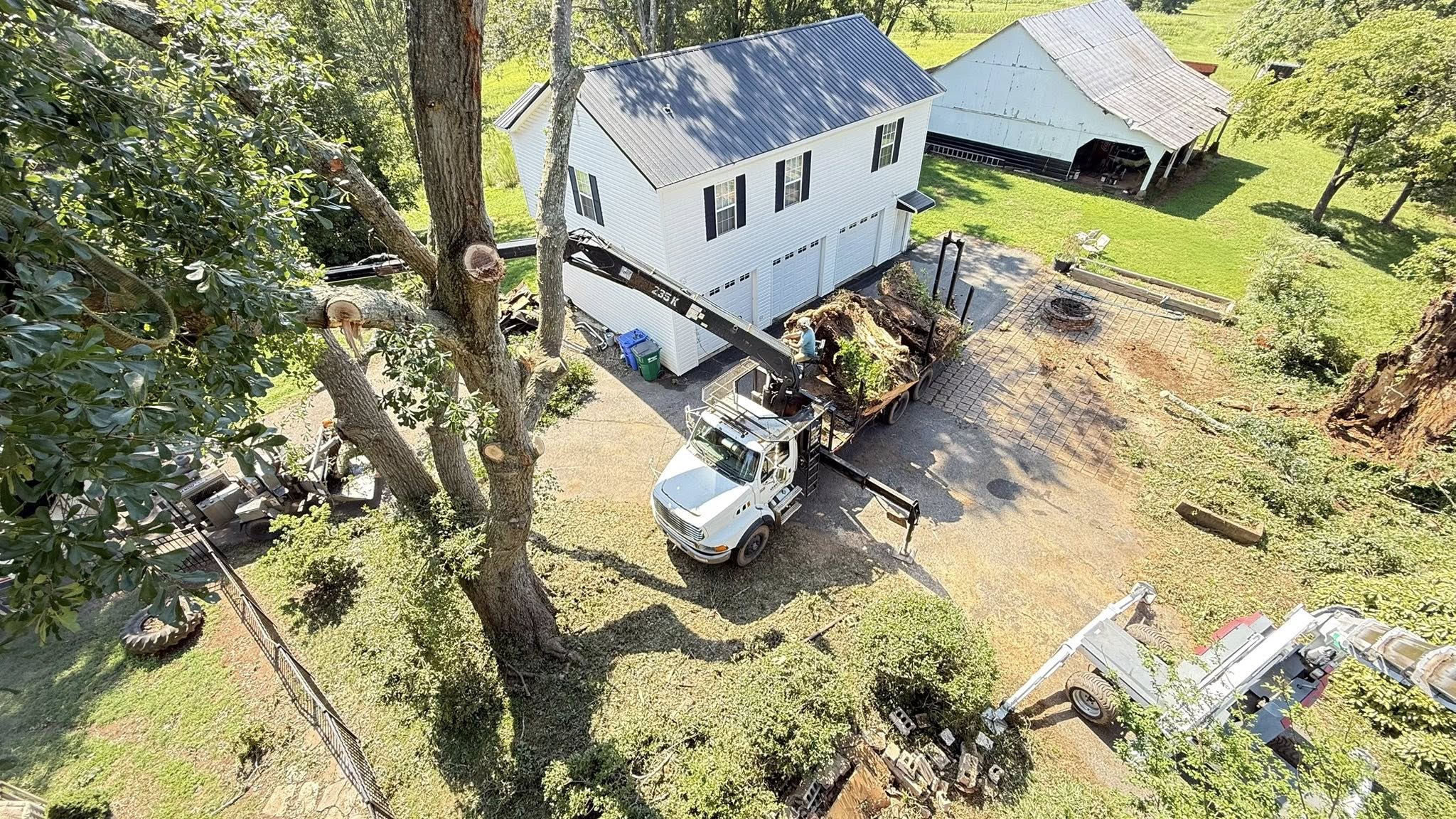
The Art of Tree Pruning: Transformative Techniques from Owens Tree Services Feb 20, 2026
Tree pruning is not merely about cutting branches; it is a precise activity that requires understanding tree biology, growth patterns, and potential threats such as disease or pests. The primary goals of tree pruning are to remove dead or diseased branches, encourage new growth, enhance the shape of the tree, and reduce the risk of falling branches. Proper tree pruning can improve air circulation and sunlight penetration, both crucial for the health of your trees.
One essential technique we employ at Owens Tree Services is crown thinning. This process involves selectively removing branches throughout the crown to improve light and air flow while maintaining the tree's natural silhouette. Crown thinning is particularly beneficial for older trees that may have become dense over time, allowing them to grow healthily and sustainably.
Another critical method is crown raising, which focuses on removing lower branches. This creates a higher clearance under the tree, which is especially useful for trees near roads, walkways, or open spaces. This technique not only enhances the tree’s aesthetic appeal but also ensures safe passage for vehicles and pedestrians.
Crown reduction is also a cornerstone of our tree pruning techniques. This method involves reducing the size of the tree’s crown to reduce stress on the limbs. Often used for trees under power lines or in confined spaces, crown reduction prevents potential damage from both human activity and adverse weather conditions.
Safety is a paramount consideration when pruning trees. The professionals at Owens Tree Services come equipped with the necessary tools and experience to perform pruning safely and efficiently. It’s not uncommon for ambitious homeowners to take on pruning themselves, but without the proper skills and knowledge, pruning can damage the tree or pose a significant risk of injury.
Our team is also adept at employing tree pruning techniques that prevent the spread of disease. By carefully cutting and disposing of infected branches, we can protect the tree’s health and prevent diseases from spreading to nearby plants.
As we round off the diverse techniques employed in tree pruning, it's important to recognize the role of timing. The best time to prune most trees is during their dormant period, which usually falls in late winter or early spring. This timing minimizes stress and the risk of pest infestation, setting the stage for vigorous spring growth.
In conclusion, tree pruning is an art that extends beyond mere aesthetics. It involves a deep understanding of tree health, growth, and safety. At Owens Tree Services, our commitment is to provide customers with expert service that transforms not only their trees but also their landscapes. By entrusting us with your tree care, you ensure that your property remains beautiful, safe, and thriving for years to come. Whether you are looking to enhance your landscape’s appearance or ensure the health of your trees, our team is ready to assist you with the highest level of service and expertise.
/filters:no_upscale()/filters:format(webp)/media/9b0e96ec-8817-4a5b-a78d-d6cb569bf5fa.jpeg)
/filters:no_upscale()/filters:format(webp)/media/ca9f87cb-9981-4958-9317-6292f792eb1c.jpeg)