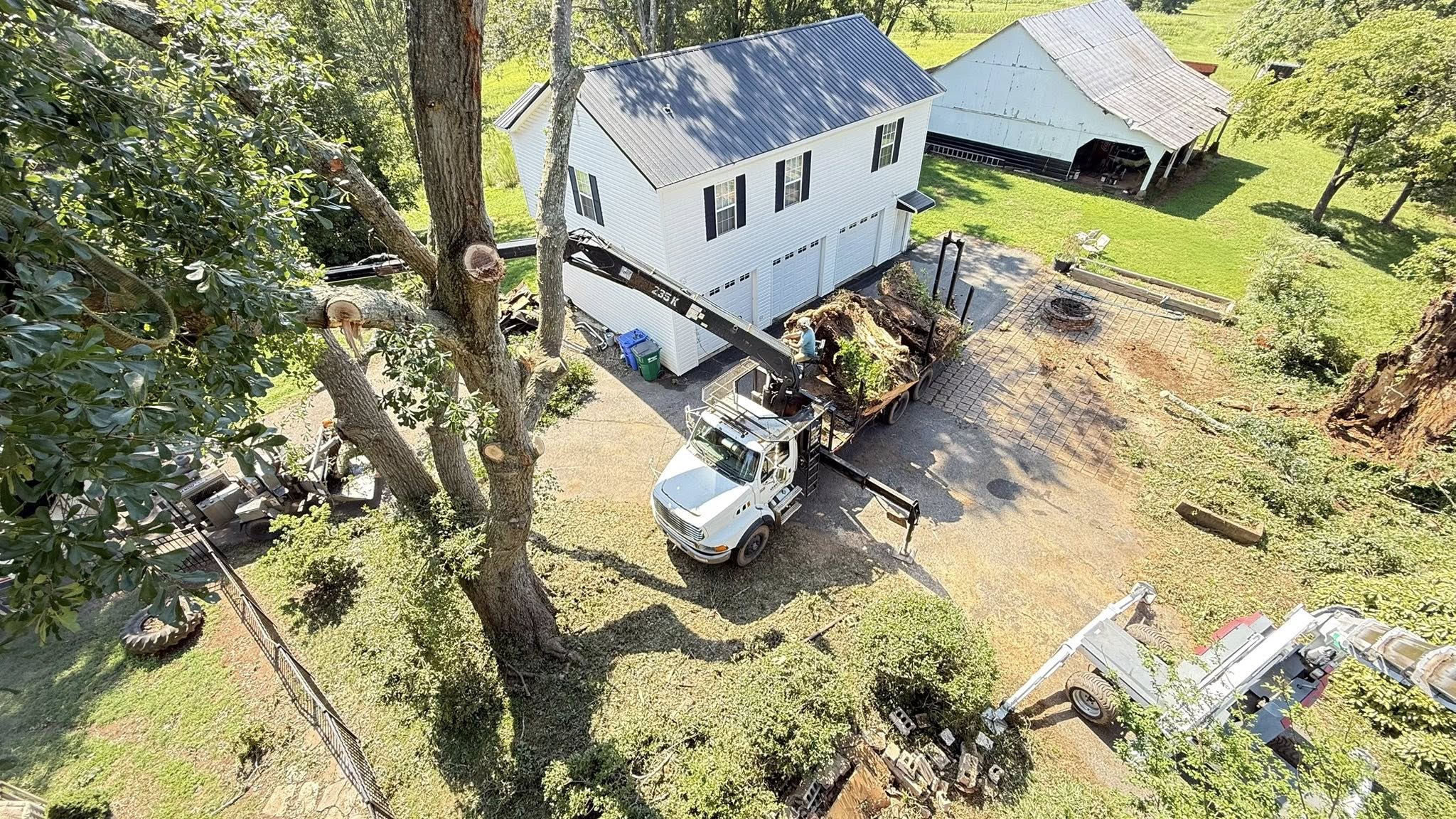
Understanding Tree Transplanting: Techniques and Benefits Explained Mar 13, 2026
Tree transplanting is an art in itself, a delicate procedure that allows for the relocation of trees to maintain landscape aesthetics and promote healthy growth. At Owens Tree Services, we know that a well-executed tree transplant can transform a property and ensure the new environment meets the tree's needs. Whether you're considering moving an oak to the perfect sunny spot or giving a shade-loving spruce a new home, understanding the techniques and benefits of tree transplanting is essential.
The Basics of Tree Transplanting
Tree transplanting involves the careful repositioning of a tree from one place to another. Proper planning and execution are crucial for the survival and flourishing of the tree after the move. Several factors, such as size, species, and soil conditions, determine the appropriate transplanting approach.
Firstly, understanding the root system is key. Trees typically have a predominant taproot and several lateral roots. When relocating a tree, maintaining the health of these roots is essential for its continued growth. Timing is also crucial. Most trees are best transplanted during their dormancy, specifically in late fall or early spring. This period reduces the stress on the tree and promotes healthier establishment in its new environment.
Techniques Employed in Tree Transplanting
Owens Tree Services employs a range of tree transplanting techniques to maximize success. The ball and burlap method is commonly used for larger trees. This involves digging up the tree with a substantial amount of soil around its roots, which is then wrapped in burlap to provide protection during transport.
For smaller trees, the bare root method might be employed. This technique involves transplanting trees without soil, reducing the transport weight and is usually applied to deciduous trees during dormancy. Additionally, container grown is an effective option for young trees that have been cultivated in pots and transplanted along with their soil, directly reducing transplant shock.
Benefits of Tree Transplanting
Tree transplanting offers numerous benefits that go beyond aesthetics and property value enhancement. By relocating trees, homeowners can ensure optimal growth conditions, such as appropriate sunlight exposure, better soil, and adequate space for root expansion. Additionally, transplanting helps balance the ecosystem by preserving mature trees and encouraging biodiversity within landscapes.
Moreover, tree transplanting can be an effective strategy for urban planning and land management. Relocating trees to more suitable areas helps in reducing the heat island effect in cities, thus contributing to cooler urban environments. On a smaller scale, homeowners moving trees can create shaded areas, enhance privacy, and increase the ecological value of their property.
Conclusion
Tree transplanting, while complex, reaps significant rewards when approached with knowledge and care. From understanding the optimal seasons for transplanting to employing the right techniques, successful tree relocation fosters healthy growth and enhances landscape beauty. Consulting with experts like Owens Tree Services ensures that each tree receives the personalized care it needs, making tree transplanting a rewarding investment for any property owner.
Whether you are interested in preserving a cherished tree or reshaping your landscape for better ecological balance, exploring tree transplanting might just be the perfect solution. Remember, each tree is unique, and expert guidance is vital to achieve a seamless and successful transition.
/filters:no_upscale()/filters:format(webp)/media/9b0e96ec-8817-4a5b-a78d-d6cb569bf5fa.jpeg)
/filters:no_upscale()/filters:format(webp)/media/ca9f87cb-9981-4958-9317-6292f792eb1c.jpeg)